

Private Equity Bet $33 Million on the GOP. Tuesday Is the Verdict.
Blackstone's Steve Schwarzman and his peers picked a side for the first time since 2016. The data shows why. The problem is the bet might not even work.
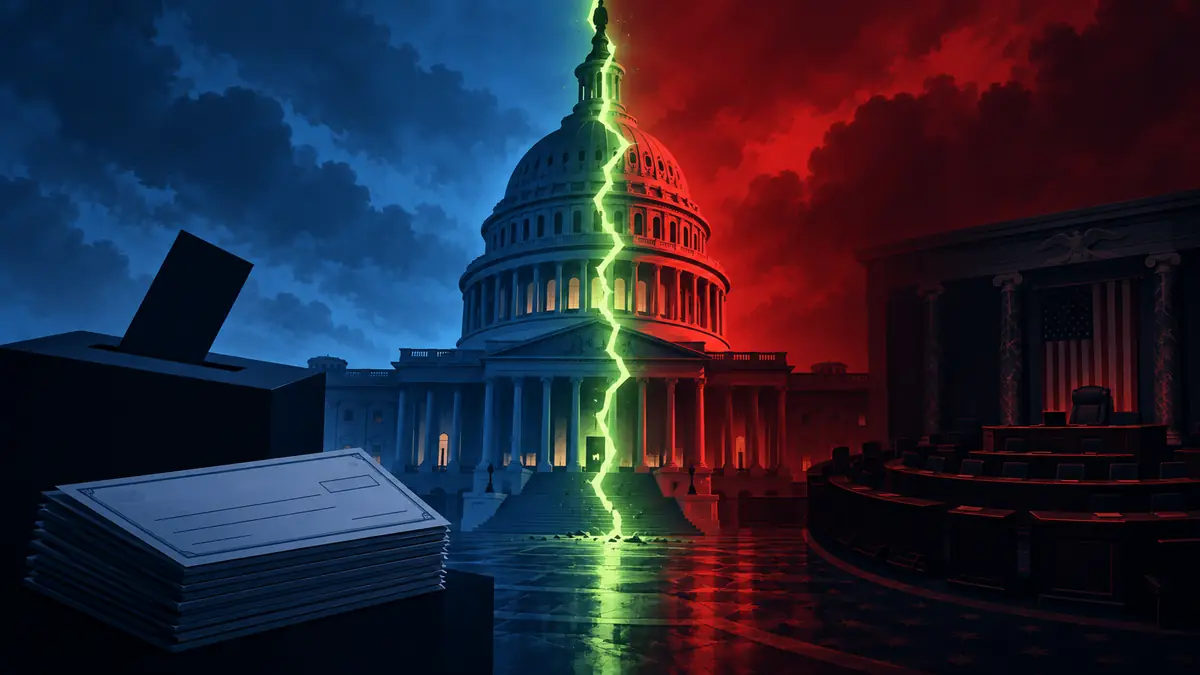
NEW YORK, October 30, 2026. Steve Schwarzman has put more than $33 million behind Republican candidates and their allies this cycle. He's not alone. Bloomberg reported Thursday that private equity and money managers gave more to Republicans than Democrats this year. That's the first time it's happened since 2016. Apollo Global Management's billionaires opened their checkbooks too. Four days from now, voters decide whether any of it worked.
This didn't happen in the campaign's final week. WSJ Pro reported back in August on the numbers. Employees of private-equity and investment firms favored Republicans by a 30-point margin through June. The industry had given $60.2 million to candidates and party committees by then. The split: 65% Republican, 35% Democrat. A decadelong pattern, reversing itself in real time.
Why the industry picked a side
Bloomberg's reporting frames the motive plainly. The industry is trying to get ahead of a populist wave. It fears that wave brings tougher oversight of private equity's reach into housing, healthcare, and retirement accounts. WSJ frames it as a contrast play instead. Trump's deregulatory bent looks a lot better to PE than the progressive wing of the Democratic Party does. That wing has spent years building a case against the industry's reach. Susan Collins, the Maine Republican, is one beneficiary WSJ named by name.
The bet might not clear
Betting markets put the odds of a full Democratic sweep above 50%, Reuters reported Thursday. A Senate Finance Committee aide previewed what that majority would do. He spoke at a Mayer Brown event the same day. Investigate private equity's effect on housing and healthcare costs. Scrutinize data-center taxation. Take a look at artificial intelligence. Ron Wyden would reclaim the Finance Committee gavel. It's the same gavel he's already used once to go after carried interest.
Money bought access and amplification. It didn't buy certainty. A coin-flip election means the industry spent nine figures on a hedge that might not clear.
What changes with the gavel
A Democratic House has had subpoena power all along. It has used that power on private equity before, without much effect on deal activity. The Senate works differently. It confirms regulators. It sets the Finance Committee's tax agenda. Losing it wouldn't rewrite PE's tax treatment by Wednesday morning. It would hand committee staff and subpoena authority to specific people. Those people have already named housing, healthcare, and data centers as targets.
What to watch
Watch where the money landed, and how much of it there was. Blackstone and Apollo led the spending. So did firms with heavy exposure in single-family rental platforms and physician-practice roll-ups. Data-center buildouts too. Those are the exact sectors the Finance Committee aide flagged. If Republicans hold the Senate, that spending looks prescient. If they don't, sponsors in those sectors will be fielding committee letters within weeks. The $33 million won't be the headline anymore.