

GE Is Buying One of Four Jet-Engine Castings Suppliers. Its Rivals Are Building Their Own.
GE Aerospace is paying $11.75 billion for Warburg Pincus-owned CPP. Pratt & Whitney buys from CPP and is already adding its own foundry. Regulators still get a say.
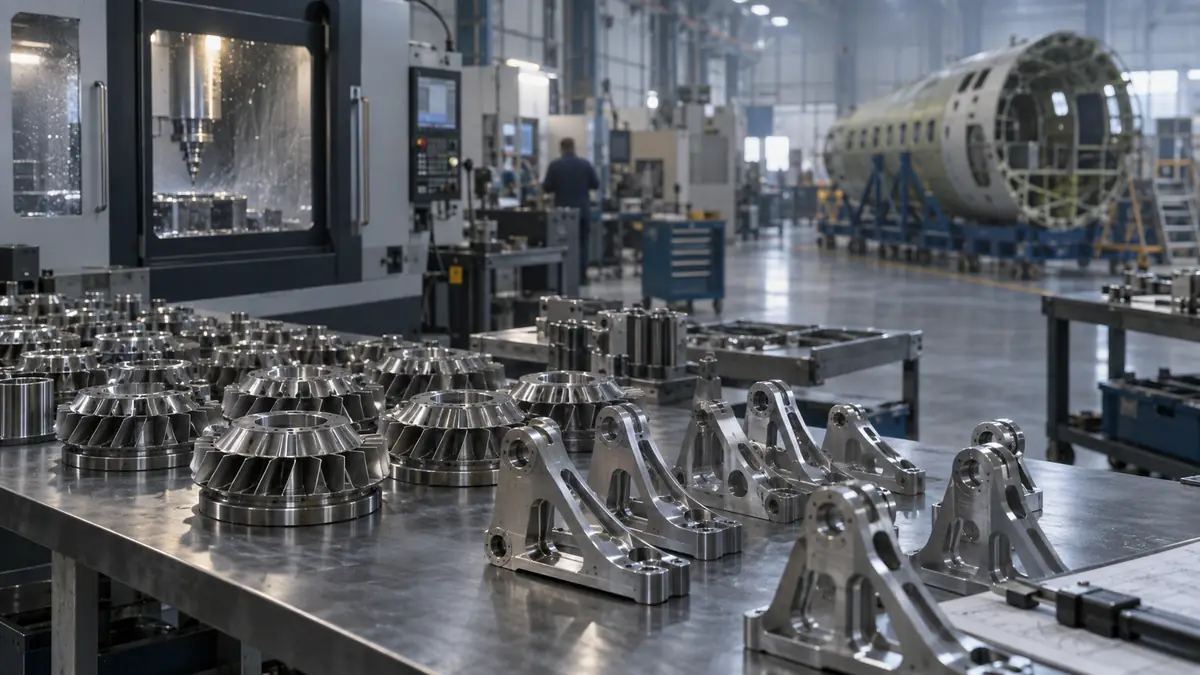
NEW YORK, September 16, 2026. There are four major global suppliers of the castings used in jet-engine turbine blades. On September 8, GE Aerospace agreed to buy one of them. It will pay $11.75 billion for Consolidated Precision Products, the world's third-largest, according to Reuters. The sellers are Warburg Pincus and Berkshire Partners. CPP supplies about a quarter of GE's castings needs, Jefferies estimates. GE has been a customer for more than fifteen years. It's paying about 26 times CPP's expected 2027 EBITDA before synergies, and about 18 times after.
Castings are hard to make at scale. Finished turbine blades have to withstand temperatures above their own melting point. Kevin Michaels of AeroDynamic Advisory put it bluntly to Reuters. "It's the black art of manufacturing, which has always been a huge barrier," he said. Engine makers have repeatedly complained that a castings shortfall is holding back production, CNBC reported. GE described the deal in terms of capacity. "Investing in mission-critical casting capacity is needed to support the strong simultaneous demand across commercial engines, aftermarket and defense," said GE Aerospace Chairman and CEO H. Lawrence Culp, Jr.
The harder question is what happens to CPP's other customers. Pratt & Whitney buys engine components from CPP and competes directly with GE. Its parent, RTX, declined to comment. Whether the deal affects CPP's non-GE customers remains to be seen, one analyst told Reuters. Pratt had already started building a hedge. Last year it said it was adding an in-house casting foundry in North Carolina. Rolls-Royce is expanding an existing plant in Britain. GE is getting the same kind of insurance, only faster. Industry sources told Reuters that GE courted CPP for years. It wanted protection against disruption at the two larger suppliers, Howmet and Precision Castparts.
Investors marked down CPP's larger rival the same day. Howmet shares fell about 8% by that afternoon, Reuters reported. Howmet CEO John Plant said the next day he was "fine" with the deal. It still needs regulatory approval and isn't expected to close until the second half of 2027. Reuters expects antitrust scrutiny. GE is expected to point to Avio Aero, its Italian gear maker. Avio is already a major supplier to Pratt.
For private equity, CPP shows what scarcity is worth. Warburg and Berkshire Partners owned a castings maker in a market with four serious players. They also owned it while engine makers couldn't get enough supply. Warburg's Dan Zamlong says the owners invested in CPP's operations, technology, quality systems and talent. The buyer turned out to be a customer that couldn't get enough of what CPP makes.
That kind of exit may get harder to repeat. Each supplier an engine maker buys or replaces leaves one fewer platform for the next fund. Most PE-backed aerospace and defense companies already go to other sponsors. Over the trailing twelve months, buyouts outnumbered strategic acquisitions as an exit 50 to 26, PitchBook data shows. The CPP review will show how far engine makers can go in owning their own supply chains. Until then, the scarcest parts in aerospace are also the most valuable companies to own.